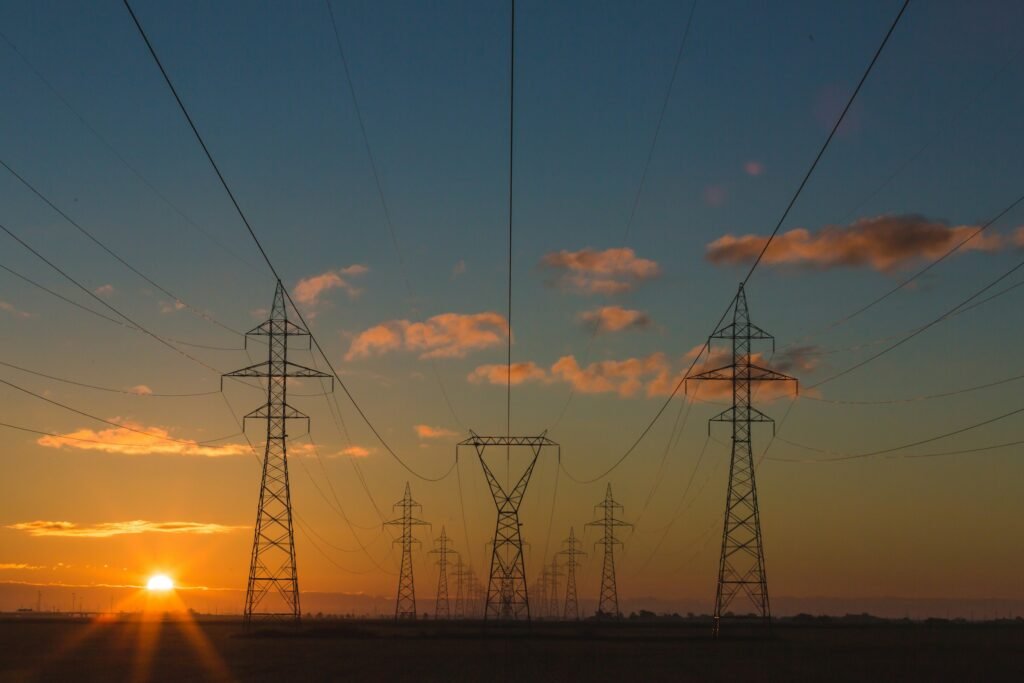


Yet all the solar panels in the world can’t deflect from the reality that the UK’s electricity grid is not cut out for what we’re asking. In a research report published by the British Chambers of Commerce (BCC) in February, businesses called for a “massively expanded grid to enable decarbonisation”.
A warning that echoed concerns the business community had already been raising for years: BCC research in 2023 found that over a third of businesses (37%) disagreed that the national electricity grid was meeting their needs on energy supply, connectivity and future-proofing.
Add to that a growing bill in constraint costs when the system has to turn down generation in one place and pay for it elsewhere because the network is unable to take the strain, and the argument against a clean energy future becomes frighteningly reasonable.
Off-grid, multi-technology solutions offer a way to alleviate this growing frustration by effectively circumventing the grid to get energy where it needs to be, whenever it’s needed. While systems combining solar generation, hydrogen power and smart charging aren’t an alternative to supporting grid improvements, we do need them to help protect public confidence in clean energy reliability.
We need a scrappier approach to achieve an affordable industrial decarbonisation
The UK Government has plans to tackle grid reform and reinforcement, but in the interim, many sites need practical, complementary options. Waiting for every depot or plant site to get the connection upgrade it needs puts projects at risk, as investor confidence sinks and operating costs increase.
A more agile approach could use modular clean power and base it on real demand. This avoids expensive permanent retrofit work in places where the demand is temporary or uncertain. Ofgem has recognised that grid connection delays can cost businesses up to tens of millions of pounds in sunk costs and lost revenue. That isn’t a small bill, and it’ll be footed by developers, investors and ultimately consumers.
The faster the UK can provide credible alternatives and complements to grid-dependent power, the faster it can move clean projects from planning into operation. Vitally, it means decarbonisation efforts across different industries aren’t stalled while they wait for a grid connection.
The Royal Air Force’s recently announced contract with GeoPura is exactly the kind of practical innovation the UK needs. By combining hydrogen, solar and battery technologies with EV charging infrastructure (through partnering with Geo Green Power Ltd and Carbon Point Ltd), GeoPura is delivering clean, self-sufficient power across six operational RAF sites.
The model links several technologies into a single system. Each system operates as a solar-led ‘microgrid’, with hydrogen-enabled power providing resilience during periods of low renewable generation. Sustaining the power each site needs during grid disruption means the teams don’t have to rely on diesel generation, cutting back on emissions and improving air quality.
The Armed Forces need secure, consistent power across different operating conditions, and they need to be sure it won’t fail. The RAF’s backing of hydrogen demonstrates that hydrogen can be that reliable, flexible power source in the most demanding of environments.
A competitive energy system ≠ competing technologies
The UK does not need a culture war between energy producers and innovators. Our businesses, industries and communities need reliable energy that balances cost and availability while moving away from fossil fuels. Electrification, hydrogen and renewables all have distinct but complementary roles in a reliable, clean energy system. Combining technologies will get us there faster than forcing them to compete.

Clare Jackson is CEO of Hydrogen UK